
Memorial Websites in Kenya: A New Way to Remember Loved Ones

Memorial websites in Kenya are changing the way families remember loved ones. Learn how digital memorial pages and QR codes help preserve memories for future generations.
Memorial Websites in Kenya: A New Way to Remember Loved Ones
In every Kenyan community, remembering those who have passed away is a deeply important part of life. From village gatherings to church services, from funeral announcements to memorial anniversaries, families have always found ways to honor the people they love. These traditions are part of our culture, part of our identity, and part of how we keep the connection between generations alive.
For many years, remembrance depended on physical things - graves, photographs, printed programs, and the stories told by elders. These were meaningful, but they were also limited. As families spread across cities and even across countries, it became harder to keep memories together in one place.
Today, a new way of remembering is growing in Kenya.
Memorial websites are allowing families to preserve memories online, share stories with relatives anywhere in the world, and create a lasting tribute that can be visited at any time. This does not replace tradition. Instead, it adds a new way to protect memories so they are never lost.
This is why more families are now creating online memorial pages, and why digital remembrance is becoming part of modern Kenyan culture.
Traditional Remembrance vs Digital Memorials
In the past, remembrance in Kenya was centered around family gatherings and physical memorials. When someone passed away, relatives came together to plan the funeral, contribute to expenses, and support one another during mourning. After burial, the grave became the place where memories lived.
Families often kept photo albums at home, stored in cupboards or wrapped carefully to protect them from damage. Important documents such as funeral programs, tribute booklets, and condolence messages were kept in boxes or files. Elders told stories about the person during family meetings, and these stories were passed from one generation to the next.
These traditions were meaningful, but they depended on people being physically present. If a family member moved far away, they might never see the photos again. If documents were lost, the memories could disappear with them. Sometimes, younger generations never heard the full story of someone who passed away years before they were born.
As life changed, families became more spread out. Many Kenyans now live in different towns, different counties, or even outside the country. When someone passes away, not everyone can travel for the funeral. After the burial, it becomes difficult to keep everyone connected to the memory.
Digital memorials are changing this.
With a memorial website, the memories do not stay in one house. They stay online, where every family member can see them. Photos can be uploaded safely. Stories can be written and saved. Funeral programs can be stored forever. Even years later, children and grandchildren can open the memorial page and learn about the person’s life.
This does not replace visiting the grave or attending memorial services. It simply makes remembrance stronger, because the memories cannot be lost.
Why Memorial Websites Are Growing in Kenya
In recent years, more Kenyan families have started using memorial websites, especially when relatives live in different places. When a loved one passes away, people want a way to share information quickly and keep everyone informed. Social media helps, but posts disappear over time, and it is difficult to keep everything organized.
A memorial website gives families one place where everything can be kept together. Instead of searching through messages, photos, and papers, all the memories are stored in one page that can be visited anytime.
Another reason memorial websites are growing is because funerals in Kenya often involve many people. Friends, relatives, church members, and colleagues all want to participate. A memorial page allows everyone to see announcements, read tributes, and stay connected even after the burial is over.
Many families also want to keep the memory alive long after the mourning period. In Kenyan culture, remembrance does not end after the funeral. There are anniversaries, family gatherings, and times when people visit the grave. A memorial website makes it possible to keep the story of the person alive during all these moments.
Technology has become part of daily life, so it is natural that remembrance is also becoming digital. What matters is not the technology itself, but the fact that memories can now be preserved more safely than before.
How Online Tribute Pages Work
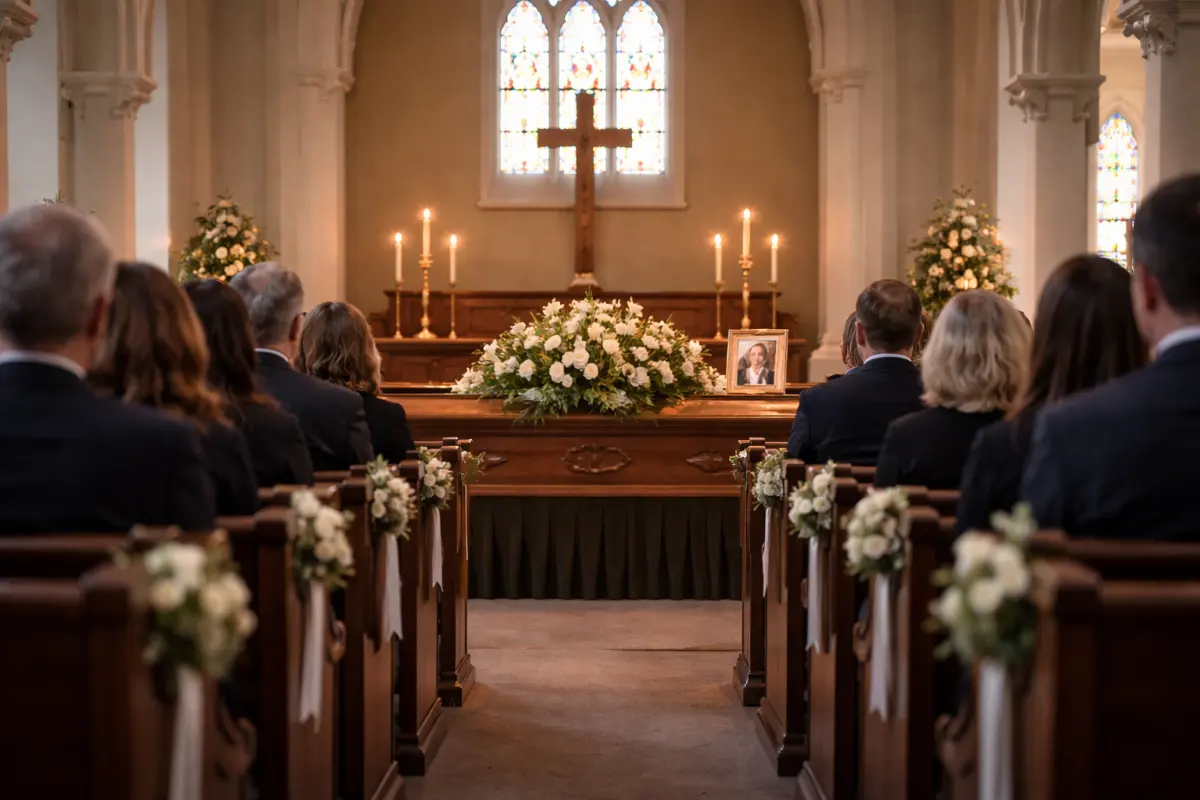
An online tribute page is a special website created to honor one person. It contains the details of their life, their photos, their story, and the messages from people who loved them. When a memorial page is created, it can include many things that would never fit on a headstone.
Families can add a biography describing where the person was born, where they lived, and what they did in their life. They can upload photos from different stages of life, from childhood to adulthood. Videos from celebrations, weddings, or church events can also be added.
Tribute messages can be written by friends and relatives, allowing everyone to share memories in their own words. Funeral programs and eulogy booklets can be uploaded so they are never lost. Some memorial pages also include the burial location, so visitors can see where the grave is.
Because the page is online, it can be updated anytime. If new photos are found later, they can be added. If the family wants to write a new tribute on the anniversary, they can do it. The memorial becomes something that grows with time instead of fading.
This is what makes online tribute pages different from traditional memorials. They are not fixed. They continue to live.
Creating a Memorial Website for Family
Creating a memorial website is not complicated, even for families who are not used to technology. The process usually begins by opening the memorial creation page and entering the basic details of the person.
You can start here:
After entering the name, dates, and other information, the memorial page is created. The family can then edit the page and add photos, stories, announcements, and tributes.
Some families choose to keep the memorial private so that only relatives can see it. Others make it public so that friends and community members can visit. This choice depends on what the family prefers.
Once the memorial is published, it becomes a permanent page that can be shared with anyone. The link can be sent through WhatsApp, email, or printed in the funeral program. This makes it easy for everyone to stay connected to the memory.
For many families, creating the memorial page becomes part of the healing process. Writing the story, choosing the photos, and reading the tributes helps people remember the person in a meaningful way.
Using QR Codes in Kenyan Memorials
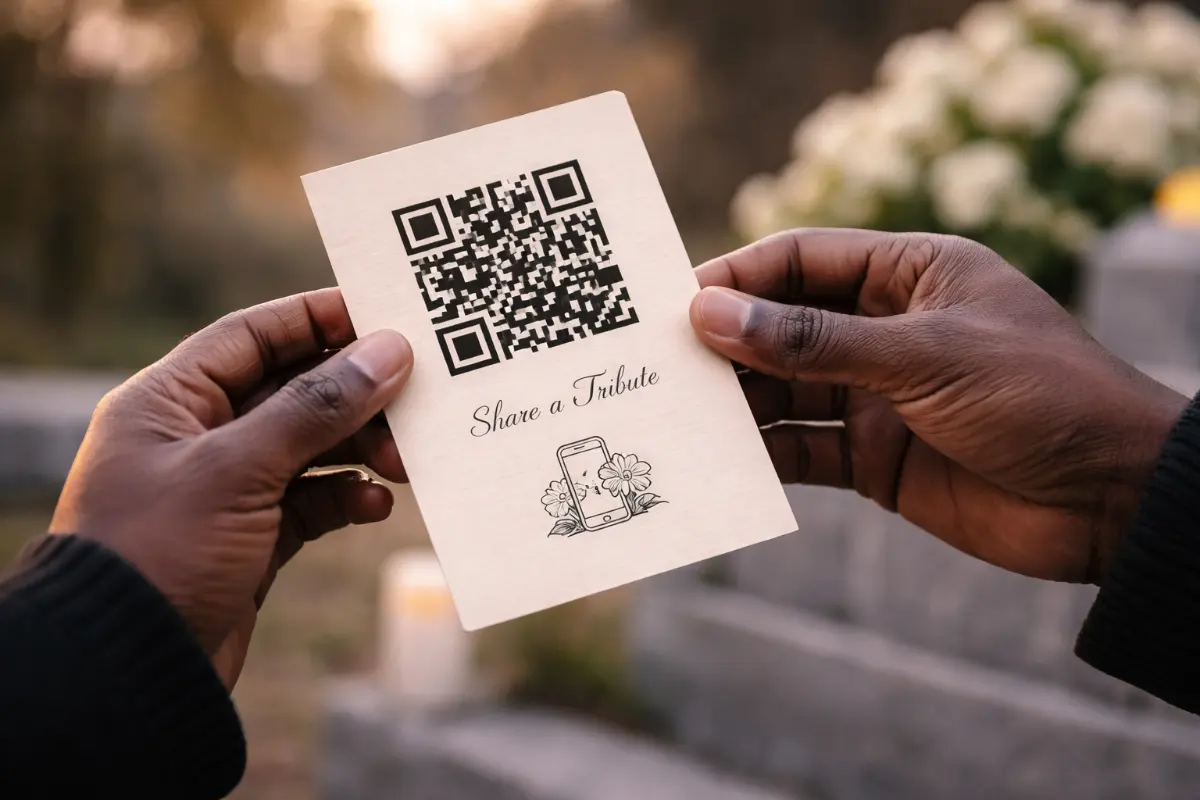
One of the newest ways memorial websites are being used in Kenya is through QR codes. A QR code is a small square barcode that can be scanned with a phone. When scanned, it opens the memorial page instantly.
Some families place the QR code on the headstone so that visitors can scan it when they come to the grave. Others print the code in the funeral booklet or on memorial cards. This allows anyone to open the tribute page even years later.
This idea fits well with Kenyan culture, where visiting the grave and gathering for remembrance are important traditions. The QR code does not replace these traditions. It adds something new to them.
For example, when relatives visit the grave during an anniversary, they can scan the code and read the tributes again. When younger family members who never met the person come to the grave, they can scan and see photos and stories for the first time.
Some families also use QR codes during fundraising meetings or memorial services so that people can see the tribute page and feel connected to the person being remembered.
In this way, digital memorials and traditional mourning practices work together. The grave remains a place of respect, while the memorial website keeps the story alive.
A New Way to Keep Memories Alive
Kenyan traditions have always been about community, respect, and remembrance. Memorial websites do not take these things away. They protect them.
Instead of memories being lost in old boxes or forgotten over time, they can now be kept safely online. Families can share stories, keep photos, and make sure that future generations know where they come from.
As life continues to change, remembrance will also change, but the meaning stays the same. We remember because we love. We tell stories because we do not want to forget.
Memories deserve a place that lasts. A memorial website makes that possible.