
Memorial QR Code for Headstone: How It Works

Learn how memorial QR codes for headstones work, why families use them, and how to create a digital memorial page that keeps memories alive forever.
Memorial QR Code for Headstone: How It Works
Remembering someone we love is one of the most important things we do as human beings.
For generations, families have used headstones, plaques, and memorial cards to honor the lives of those who have passed away. These physical memorials help us remember names and dates, but they often cannot tell the full story of a person’s life.
Today, technology allows families to go beyond traditional memorials.
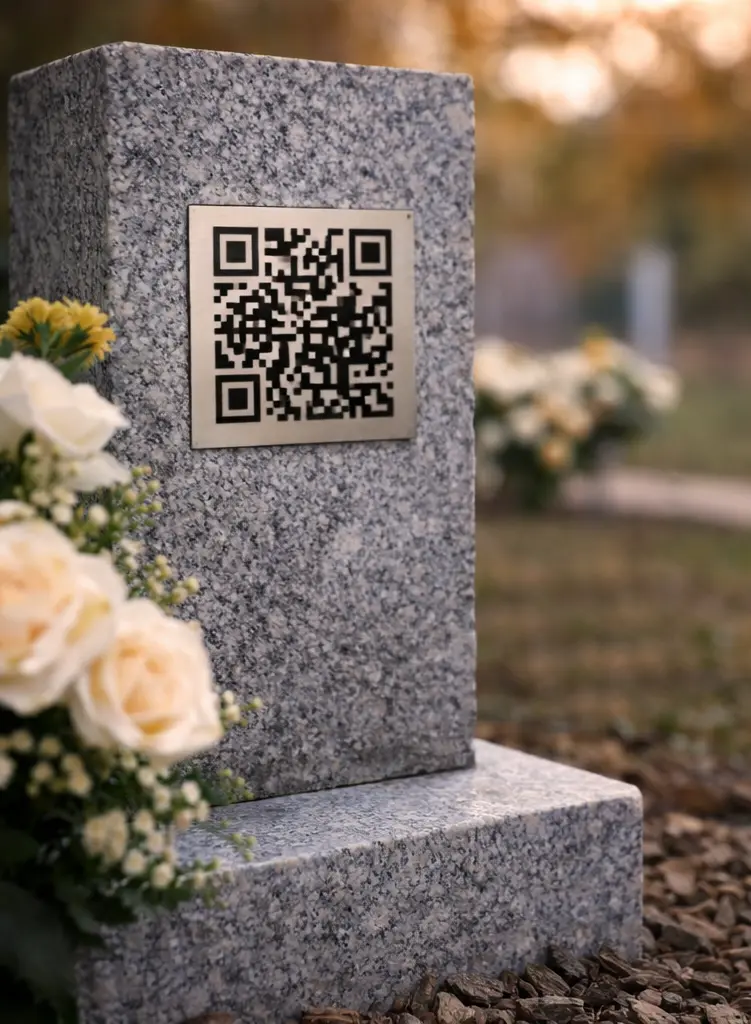
A memorial QR code for a headstone makes it possible to connect a grave or monument to a complete online tribute page. With one simple scan, visitors can see photos, stories, messages, and memories that would never fit on a stone.
In this guide, you will learn:
what a memorial QR code is
why families place QR codes on graves
how QR codes help preserve memories
how to create a QR memorial page step by step
how QR codes work with memorial websites
This modern way of remembering loved ones is becoming more common every year, and it allows families to keep memories alive in a way that was never possible before.
What Is a Memorial QR Code
A memorial QR code is a small square barcode that can be scanned with a phone camera.
When scanned, the code opens a memorial page on the internet that contains information about the person being remembered.
Instead of showing only a name and dates, the QR code can link to a full digital memorial that includes:
life story
photos and videos
tribute messages
funeral announcements
burial location
eulogy booklet
audio recordings
family memories
Because the memorial exists online, it can be updated anytime. This allows anyone visiting the grave to learn more about the person’s life. A memorial QR code does not replace the traditional headstone, it adds meaning to it.
Why Families Use QR Codes on Graves
Graves have always been a place of remembrance. People visit to reflect, pray, and honor the person who has passed away. But a headstone has limited space and can only show a few words.
Families use QR codes because they allow the memorial to go beyond what can be carved in stone.
To tell the full life story
A person’s life cannot be summarized in one sentence.
With a QR code, visitors can read the full story online.
To share memories with future generations
Children and grandchildren may not know the person personally.
A memorial page allows them to understand who their relative was.
To keep memories safe
Photos stored on phones or computers can be lost.
An online memorial keeps everything in one place.
To allow friends to leave tributes
People can write messages, share stories, and express condolences on the memorial page.
To connect physical and digital remembrance
The grave becomes the starting point, and the QR code opens the full memory.
This combination of traditional and digital remembrance is why QR codes are becoming popular in modern memorials.
How QR Codes Preserve Memories
Memories fade when they are not shared. A digital memorial makes it possible to keep memories alive for years.
When a QR code links to an online memorial, the page can include everything that made the person special. Families can add:
photo galleries
videos
voice recordings
written tributes
announcements
important dates
family messages
Unlike social media posts, a memorial website is not temporary. It stays online and can be visited anytime. This makes it possible for someone to visit the grave many years later, scan the code, and still see the full story.
How to Create a QR Memorial Page
Creating a memorial QR code is easier than most people think. You first create a memorial website, then generate the QR code that links to it. Start by creating an online memorial page where you will store the memories.
You can do this here:
Enter the basic details of the person, including full name, date of birth, date of passing, and memorial theme, and after this, you will be able to edit the memorial page. Once the memorial is created, you can add content such as highlight messages, photo gallery, videos, audio, recordings, funeral announcements, eulogy booklet, burial location, and tribute messages. After editing, publish the memorial, and the personalized permanent memorial link is created. This link is what the QR code will open.
After publishing, the system generates a QR code for the memorial. You can download the code from your dashboard. The QR code can then be printed or engraved.
Families usually place the code on:
headstone plate
grave marker
metal tag
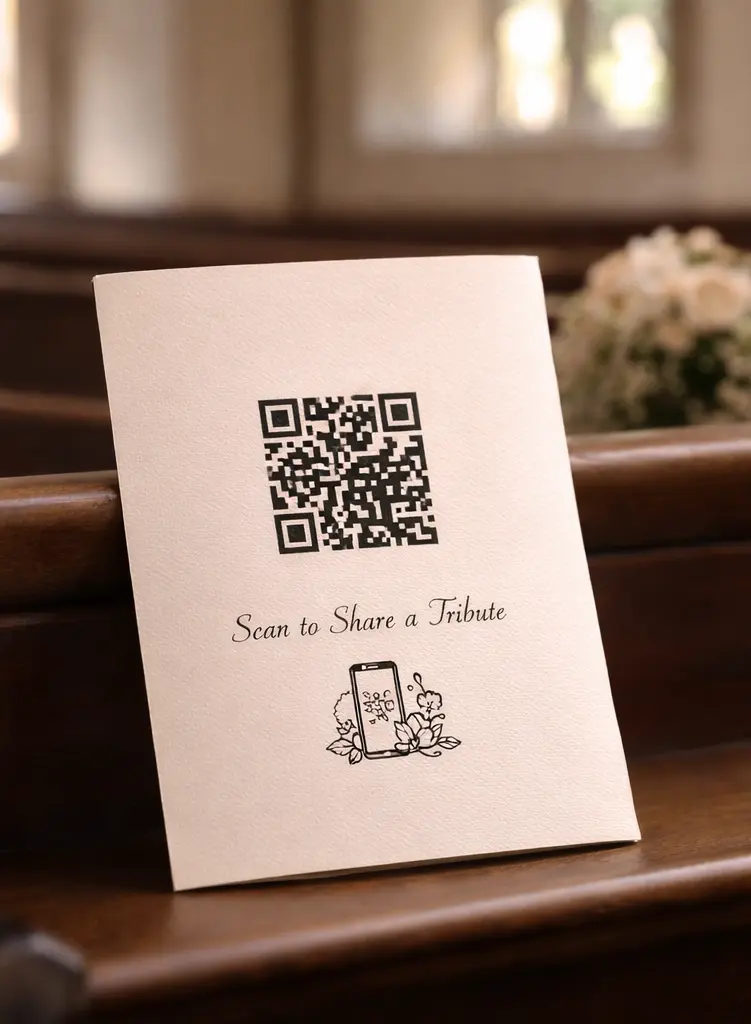
funeral program
memorial card
plaque
When someone scans the code, the memorial page opens instantly.
Using QR Codes With Memorial Websites
QR codes work best when used together with a memorial website. A memorial website allows families to manage everything in one place, while the QR code makes it easy to access.
With a memorial website you can:
update the memorial anytime
add new photos later
share the page with family
control privacy
allow tributes
store important documents
keep memories safe
The QR code simply becomes the doorway to the memorial.
When Should You Use a Memorial QR Code
Families often create a QR code when:
a headstone is installed
a funeral program is printed
a memorial service is planned
a tribute collection is created
a plaque is made
Some families create the memorial first, then add the QR code later.
There is no wrong time to create one. The important thing is that the memories are preserved.
If you want to create a memorial page and QR code, you can start here: Create a memorial
You can also see available plans: packages
Or read more guides: blog
A life deserves to be remembered fully. A memorial page makes that possible.